
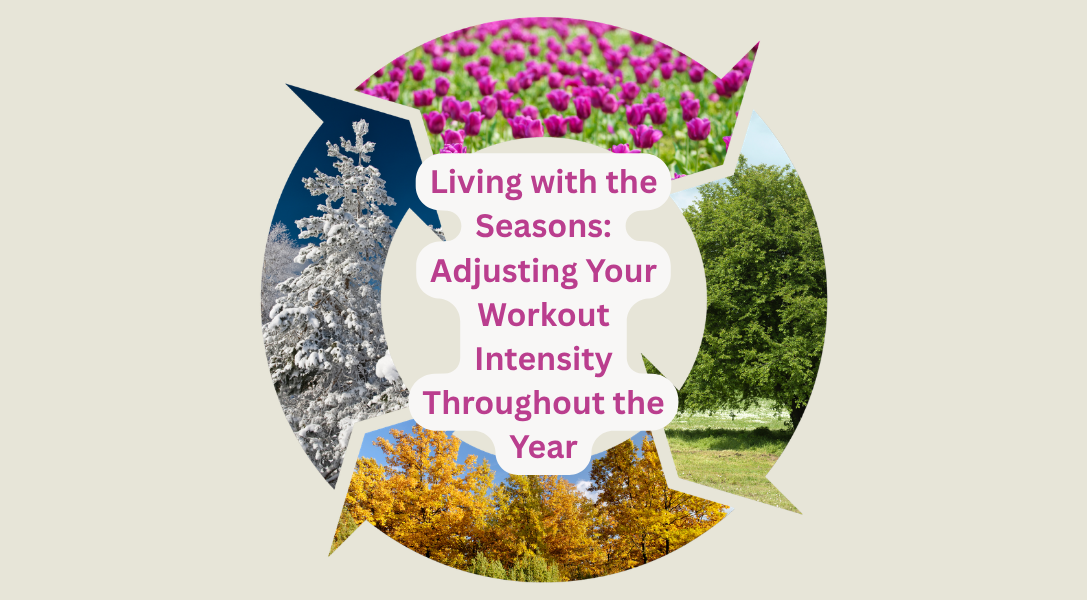
Should I change my workout with the seasons?
Many people think they should exercise the same way every day, all year long. But our bodies don’t always work the same in every season. The weather, the amount of daylight, and even our energy levels naturally change throughout the year. Instead of fighting these changes, we can work with them.
Living with the seasons means paying attention to what your body needs. Some times of the year are great for pushing yourself a little harder. Other times are better for slowing down and allowing your body to recover. This doesn’t mean giving up on your fitness goals—it means exercising in a way that helps you stay healthy for the long run.
Spring
Spring is often a season of fresh energy. As the days get longer and temperatures become milder, many people feel more motivated to move. This is a good time to add a little more intensity to your workouts. You might take longer walks, ride a bike, try a new exercise class, or begin strength training. The goal is to gradually build your fitness without overdoing it.
Summer
Summer can be a wonderful time to stay active, but heat and humidity can make exercise more difficult. Listen to your body. If you feel tired or overheated, slow down. Exercise early in the morning or later in the evening when temperatures are cooler. Drink plenty of water and take breaks when needed. Swimming, water aerobics, and indoor workouts are excellent choices during hot weather.
Autumn
When autumn arrives, cooler temperatures often make outdoor activities more enjoyable again. Hiking, walking, jogging, and cycling can feel refreshing. Fall is also a good time to return to a regular routine after summer vacations. If you’ve been less active, increase your activity little by little instead of trying to do everything at once.
Winter
Winter often brings shorter days and colder weather. Some people notice they have less energy or motivation. That’s completely normal. Instead of expecting peak performance, focus on staying consistent. Short home workouts, stretching, yoga, or indoor walking can help you stay active even when you don’t feel like exercising outside. If you enjoy winter sports like snowshoeing or ice skating, they can be fun ways to stay moving.
Final Thoughts
Remember that your body is always giving you information. Feeling sore after a hard workout is one thing, but constant exhaustion, pain, or lack of motivation may be signs that you need more rest. Rest days are not a sign of weakness—they are an important part of getting stronger.
The best exercise plan is one you can stick with throughout the year. By adjusting your workout intensity to match the seasons, you may feel better, reduce your risk of injury, and enjoy being active more. Fitness isn’t about pushing hard every single day. It’s about finding a healthy balance that changes with your body and the world around you.
The seasons remind us that change is a natural part of life. Just as nature has times of growth, harvest, rest, and renewal, our bodies benefit from those rhythms too. When we learn to move with the seasons instead of against them, staying active becomes easier, healthier, and more enjoyable.
No responses yet