
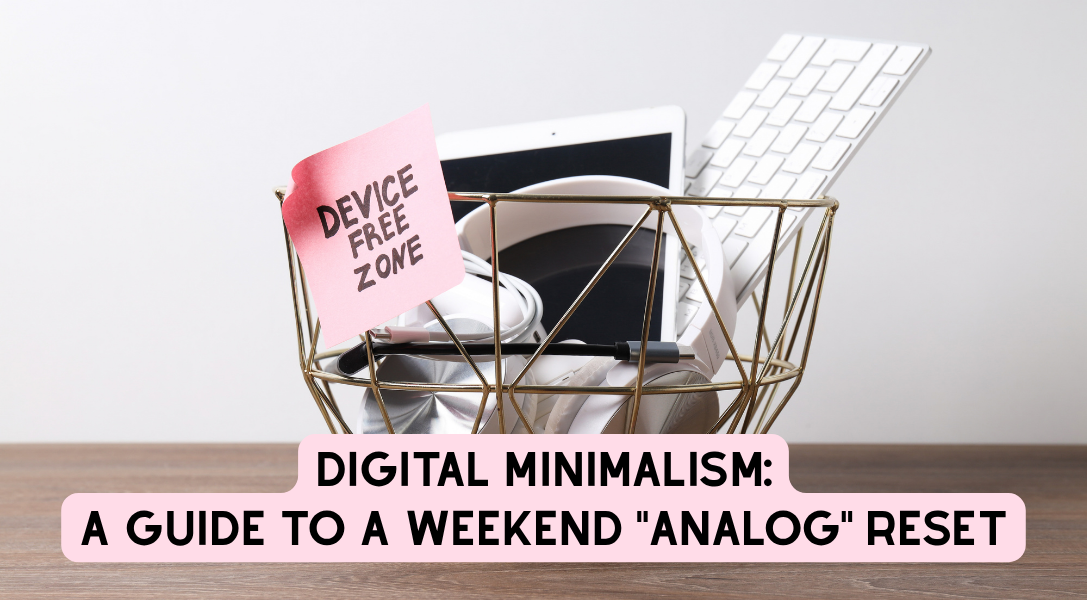
Taking multiple-day breaks from digital devices (or a “digital detox”) helps lower stress, resets dopamine levels to improve focus, enhances sleep quality, and encourages genuine, face-to-face social connections. [1, 2, 3, 4] We can find lots of excuses and reasons why we can’t do this, but it is important and can even improve your life satisfaction, according to research at Georgetown University
A weekend “analog” reset is a 48-hour period designed to break habitual screen-checking by completely abstaining from optional technologies and replacing them with intentional offline hobbies. It allows you to reclaim your attention span, rediscover the benefits of true solitude, and rebuild your connection to the physical world. [1, 2, 3, 4, 5]
A successful analog weekend acts as a short-term “digital declutter”. It forces your mind out of algorithmic feedback loops and allows it to rest. Follow these steps to prepare, execute, and evaluate your weekend reset. [1, 2, 3]
1. The Friday Prep (Setting Boundaries)
- Define Your Exceptions: Determine what counts as “essential tech” before the weekend starts (e.g., replying to family texts or using GPS maps). Social media, streaming services, and mobile games are usually off-limits. [1, 2]
- Announce Your Unplug: Send a quick message to close friends or family letting them know you will be away from your devices and how they can reach you in a true emergency. [1]
- Hide the Temptation: Put all non-essential devices (tablets, laptops) out of sight in a drawer. If you use your phone as an alarm, consider buying a standard, physical alarm clock and leaving your phone in a completely different room overnight.
2. The Weekend Execution (Analog Alternatives)
Replace the void left by your screen with activities that promote active creation rather than passive consumption. [1]
- Invest in Hobbies: Pull out physical materials for hobbies like painting, crosswords, knitting, or jigsaw puzzles.
- Rediscover Reading: Spend time reading a physical paperback or visiting a local bookstore to browse titles in person.
- Embrace Solitude: Take a long walk without headphones or podcasts. Force your mind to be alone with its own thoughts.
- Quality Connection: Plan an in-person, face-to-face meet-up with friends or family instead of keeping up with them via social media. [1, 2, 3, 4, 5, 6, 7, 8, 9, 10]
3. The Monday Reflection (Curating Your Habits)
- How did your weekend feel? Did you experience “withdrawal” or a sense of peace?
- Which digital tools actively added value to your life, and which ones just stole your attention?
- Establish rules moving forward. For example, implement tech-free zones (no phones at the dining table or in the bedroom). [1, 2, 3, 4, 5]
Maybe this sounds impossible, especially if you are a caregiver for a friend or family member, or need to be accessible for work. First, take some time to reflect on your boundaries. Is everything you believe about “being available” true? As much as we don’t like to think about it, we are replaceable, and we have lots of capable people around us who can handle things while we take time for our health and well-being.
After that time of reflection, if 48-hours still seems like too much, could you start with 1, 5, 10, or 24? Find the number of hours that seems challenging, and start there. Each hour disconnected from technology is an opportunity to have an hour of connection with yourself, the people around you, and your hobbies. By prioritizing routine digital detoxes, over time, you will likely feel and experience benefits in your mental health, focus, relationships, sleep quality, and even physical health.
No responses yet